Biosignals in Digital Art, presented by the Society for Arts and Technology (SAT)
From Thursday, August 27, 2026
4:30 pm_5:15 pm
Atrium et Studio-Théâtre des Grands Ballets
110$
Day Pass price, excl. fees & taxesThe use of physiological signals in creative practice (EEG, ECG, GSR, PPG, HRV, respiration, and movement data) is gradually moving out of the laboratory to take root in more structured production frameworks. Approaches remain fragmented across scenes (cognitive neuroscience, vocal performance, interactive cinema, generative AI, live coding) and regions. Presented by the Society for Arts and Technology (SAT) and moderated by Jean-Michaël Celerier, this panel creates a public gathering point for practitioners to confront methods, ambitions, and limits on the same stage, including the ethical stakes of the field: consent, ownership of biometric data, capture in public settings.
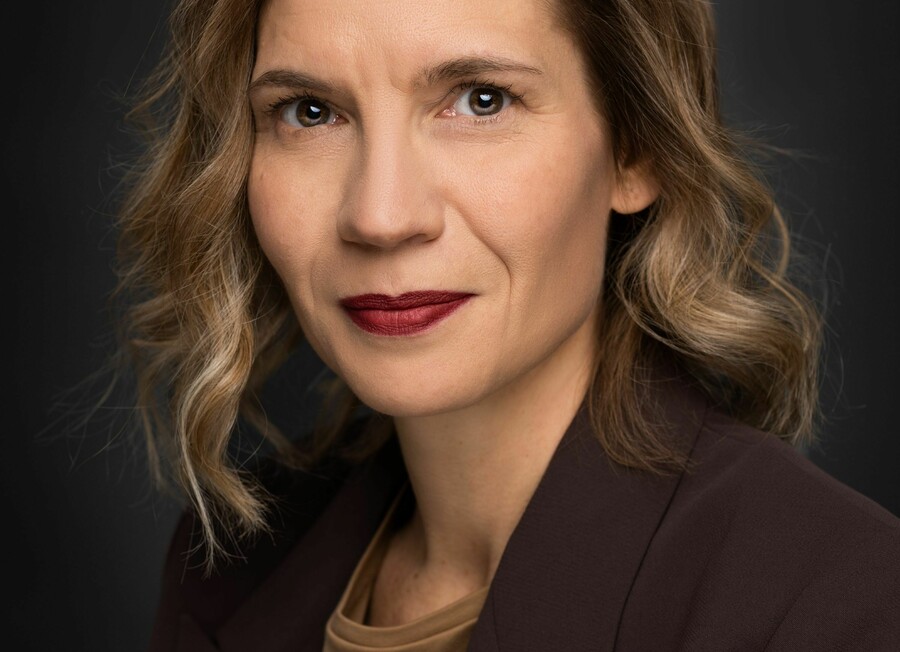
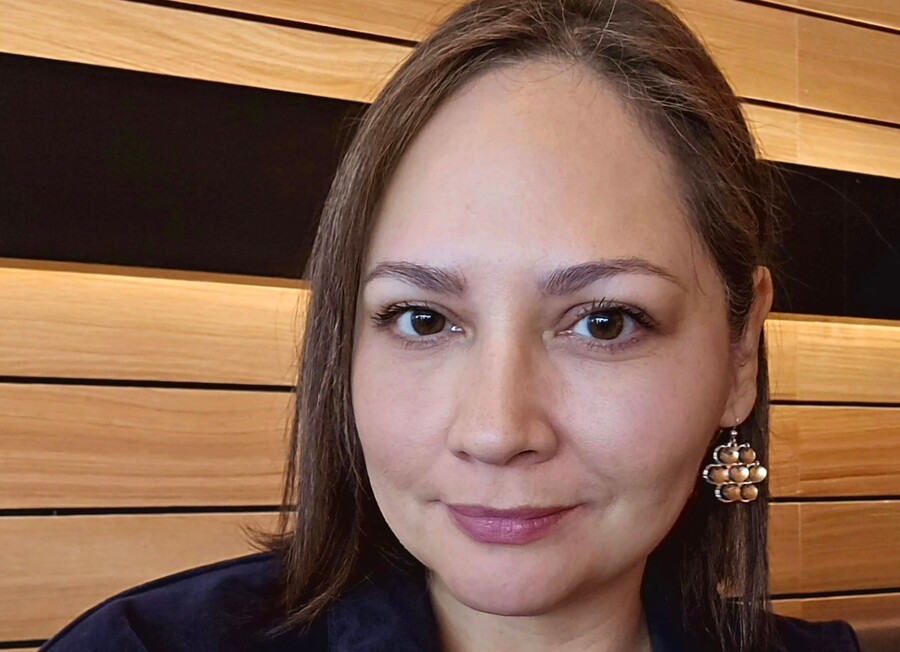
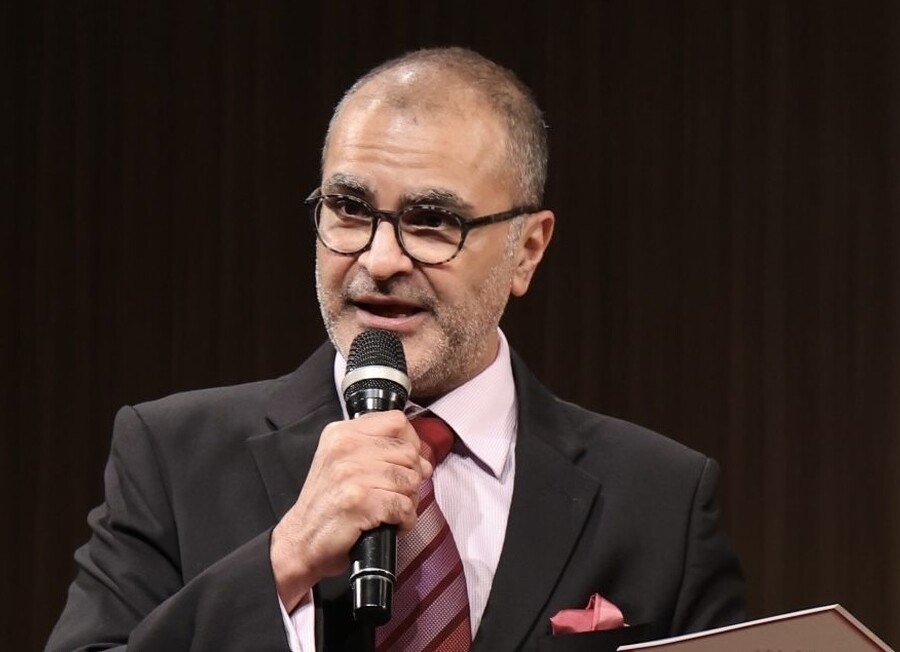
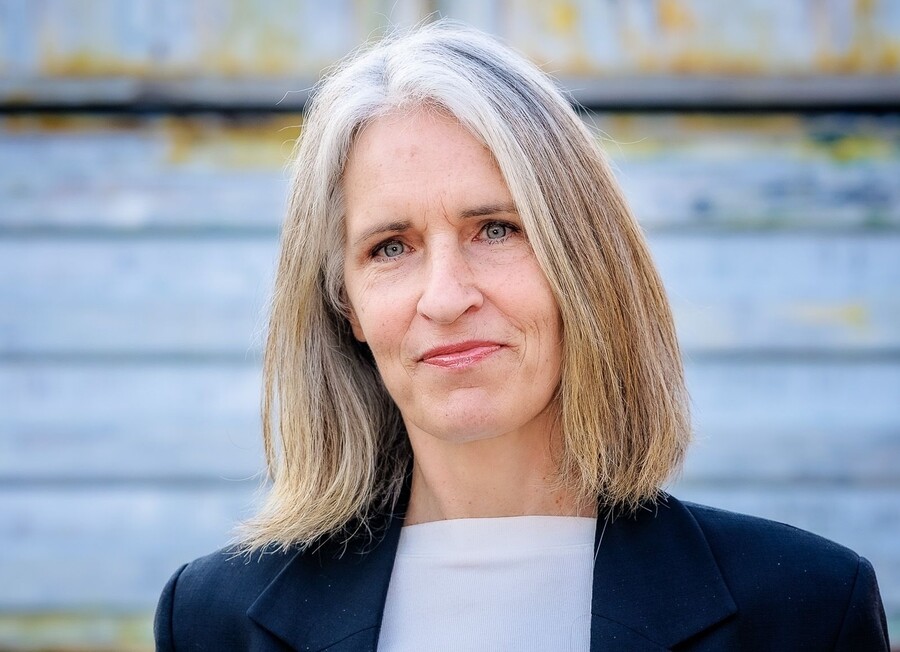
Among them: Anouk Ethier and Isabella Salas present Reflet, a tool that transforms brainwaves and emotional indicators into real-time generative artistic visualizations, enabling artists and presenters to design immersive, interactive, and personalized experiences. Jacqueline Beaumont presents Wet Dreams, a project that live-sequences DNA to TouchDesigner, transcoding the microbial ecosystems generated by the breath and sweat of a crowd into light. Erin Gee presents BioSynth, an open-source real-time biofeedback instrument that translates physiological signals into sound through a modular system accessible to non-experts and trained musicians alike, framing embodied and emotional data as shared compositional material. Karim Jerbi, neuroscientist at Université de Montréal, asks what it means to let the brain speak creatively, rather than concealing the ambiguity and noise inherent in EEG signals, he proposes embracing that uncertainty as creative material, on the condition of remaining transparent with audiences about what is being measured , interpreted, and imagined.
Please note: this activity will be in English, with live transcription available.
Presented by

Anouk EthierCA/QC
Noukii
Biosignals in Digital Art, presented by the Society for Arts and Technology (SAT)
27 Aug
Performs at 4:30 pm_5:15 pm Montréal time
Karim JerbiTN/QC
Université de Montréal
Biosignals in Digital Art, presented by the Society for Arts and Technology (SAT)
27 Aug
Performs at 4:30 pm_5:15 pm Montréal time
Isabella SalasMX/QC
Isabella Salas Studio
Biosignals in Digital Art, presented by the Society for Arts and Technology (SAT)
27 Aug
Performs at 4:30 pm_5:15 pm Montréal time
Jacqueline BeaumontCA/QC
Concordia University
Biosignals in Digital Art, presented by the Society for Arts and Technology (SAT)
27 Aug
Performs at 4:30 pm_5:15 pm Montréal time
Erin GeeCA/QC

Biosignals in Digital Art, presented by the Society for Arts and Technology (SAT)
27 Aug
Performs at 4:30 pm_5:15 pm Montréal time
Jean-Michaël CelerierFR/QC
Société des arts technologiques
Biosignals in Digital Art, presented by the Society for Arts and Technology (SAT)
27 Aug
Performs at 4:30 pm_5:15 pm Montréal time
From Thursday, August 27, 2026
4:30 pm_5:20 pm
Édifice Wilder – Espace danse